
Like the Internet and pocket-size cell phones, 3D printing has been around much longer than you may realize. In fact, all three have roots in the 1980s and have been on an upward trajectory ever since. In particular, 3D printing has really come of age in the last decade. Although conceived by science, 3D printing has recently found commercial success in the design and business worlds.

To fully appreciate 3D printing, let’s briefly examine this technology’s history and evolution.
The first printed dimensional model was created in Japan in 1981 using photopolymers printed in cross-sectional layers. In 1984, the introduction of the Stereolithography apparatus (SLA) provided a method of printing objects layer by layer. The SLA utilized lasers to selectively link together chains of molecules, which in turn formed polymers molded into the shape of the 3D design. 3D Systems Corporation, founded by Chuck Hull in 1986, introduced the first commercial 3D printing system, the SLA-1.
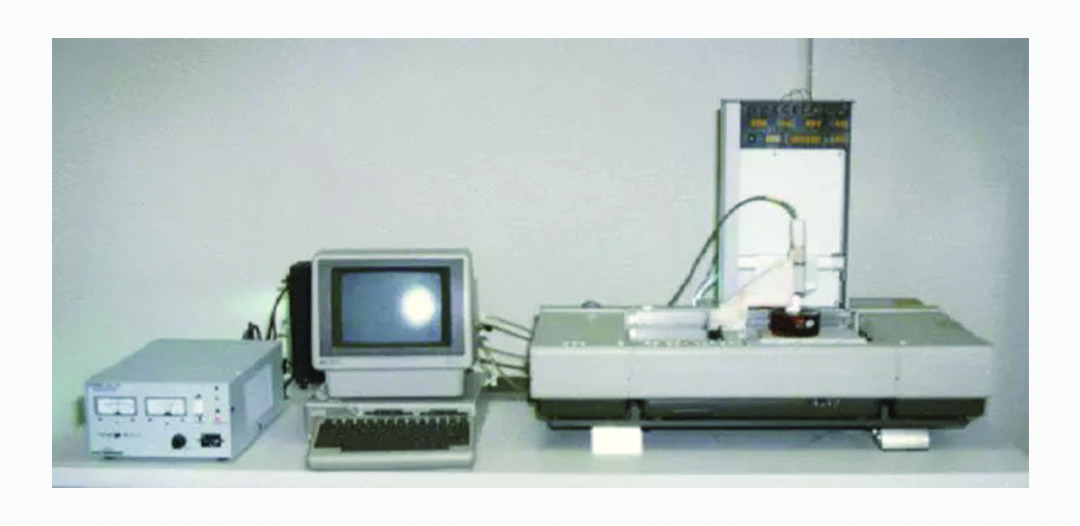
The 1990s brought with it fused deposition modeling (FDM). This technique involves melting a polymer filament onto a substrate in layers to create a 3D object. The theoretical science of building artificial human organs became a reality at this point. In 1999, a lab-grown urinary bladder was successfully transplanted into a patient. Medical science benefitted tremendously from this innovation and the development of bio-printed blood vessels at about the same time.
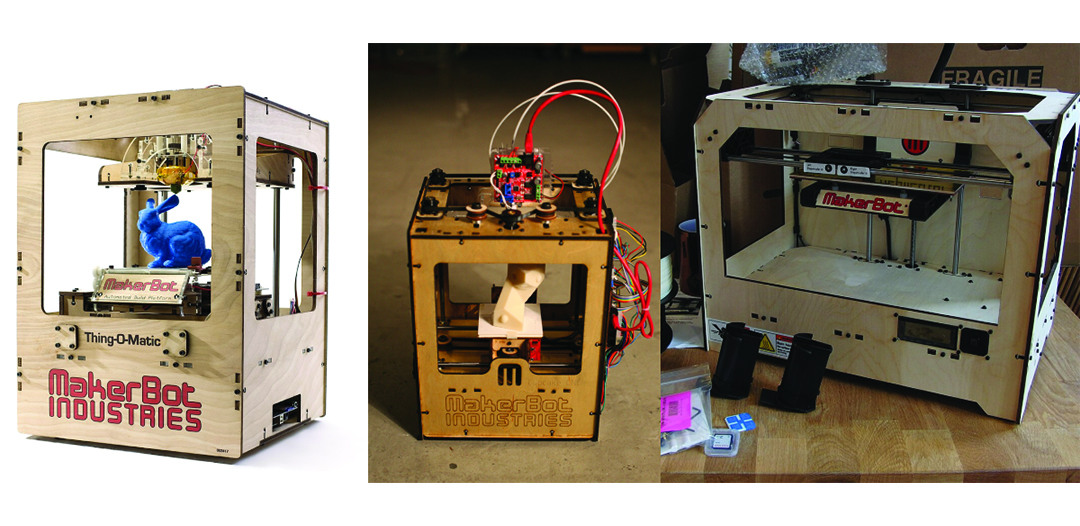
The turn of the century brought massive growth in commercial applications of 3D printing. The RepRap project, founded as an open-source project, built a 3D printer that can print most of its components, democratizing 3D printing by expanding the technology. Later, Shapeways, a 3D printing company inviting customers to submit product files to print and ship back, joined RepRap. By the end of the decade, Makerbot had introduced open-source DIY kits for people wishing to build their own 3D printers or products, thus bringing 3D printing to the masses. Anyone then had access to 3D printers worldwide.
After the aughts, 3D printing made a splash when featured in an episode of The Big Bang Theory, making a mash-up of art and science. In the UK, engineers at the University of Southampton printed the world’s first crewless, 3D-printed aircraft, demonstrating that 3D printing was no longer just for small objects. By 2019, 3D-printed items included prosthetics, jewelry, Halloween costumes, furniture, and, surprisingly, affordable housing for developing economies. Imagine what this decade may bring!
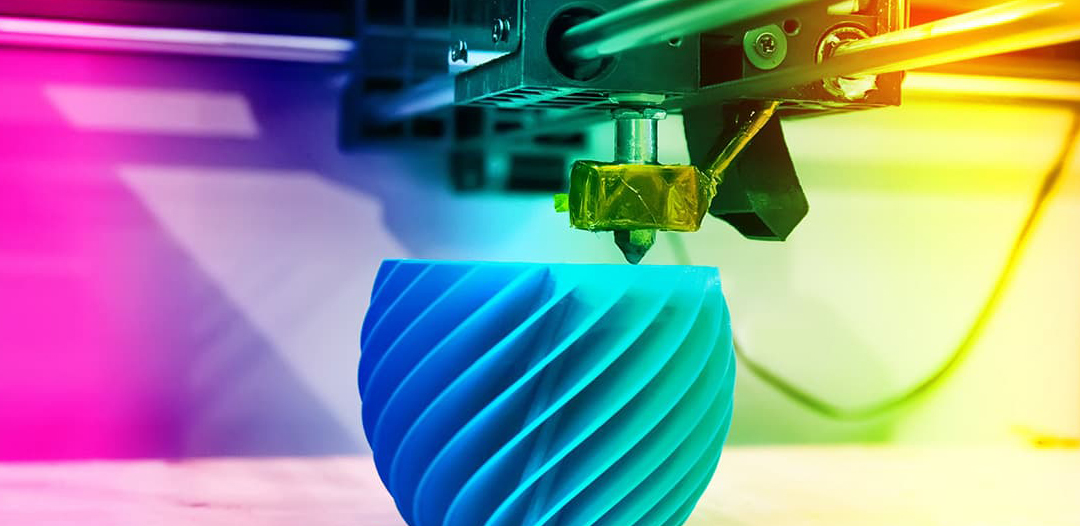
Today, architects and interior designers face many challenges with quick turnaround times, customization, and growing competition. 3D printing can provide a competitive advantage, replacing the labor-intensive traditional method of model making with quicker, more seamless integration of their CAD applications with the 3D printer. This process directly results in accurate and detailed scale models that showcase the client’s design. Responding to clients’ needs for revisions is easier than ever; simply edit the model on your computer and hit print.
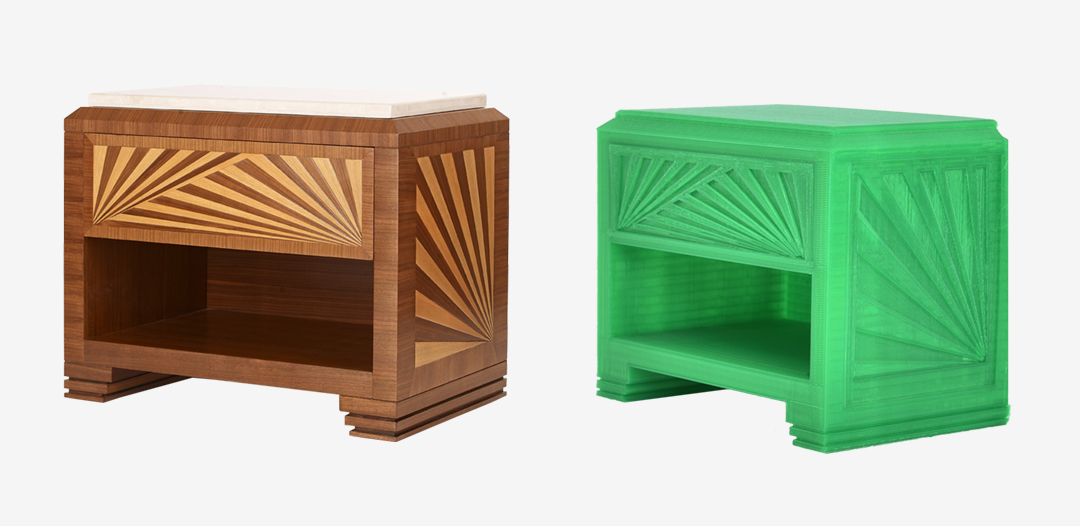
3D printing has the potential to revolutionize interior design by removing the barriers to entry. Now, most anyone can design a product using 3D software and print a prototype or one-off design. Printed products have come a long way and can now contain a mix of different materials, such as resins, metals, nylon, and even wood composite.
Unlike the mullet haircut, 3D printing has only become more popular since the 1980s, steadily infiltrating many areas of our lives. Whether you prefer art or science, we can all agree on its technological beauty.
________________________
ERIC BRAND
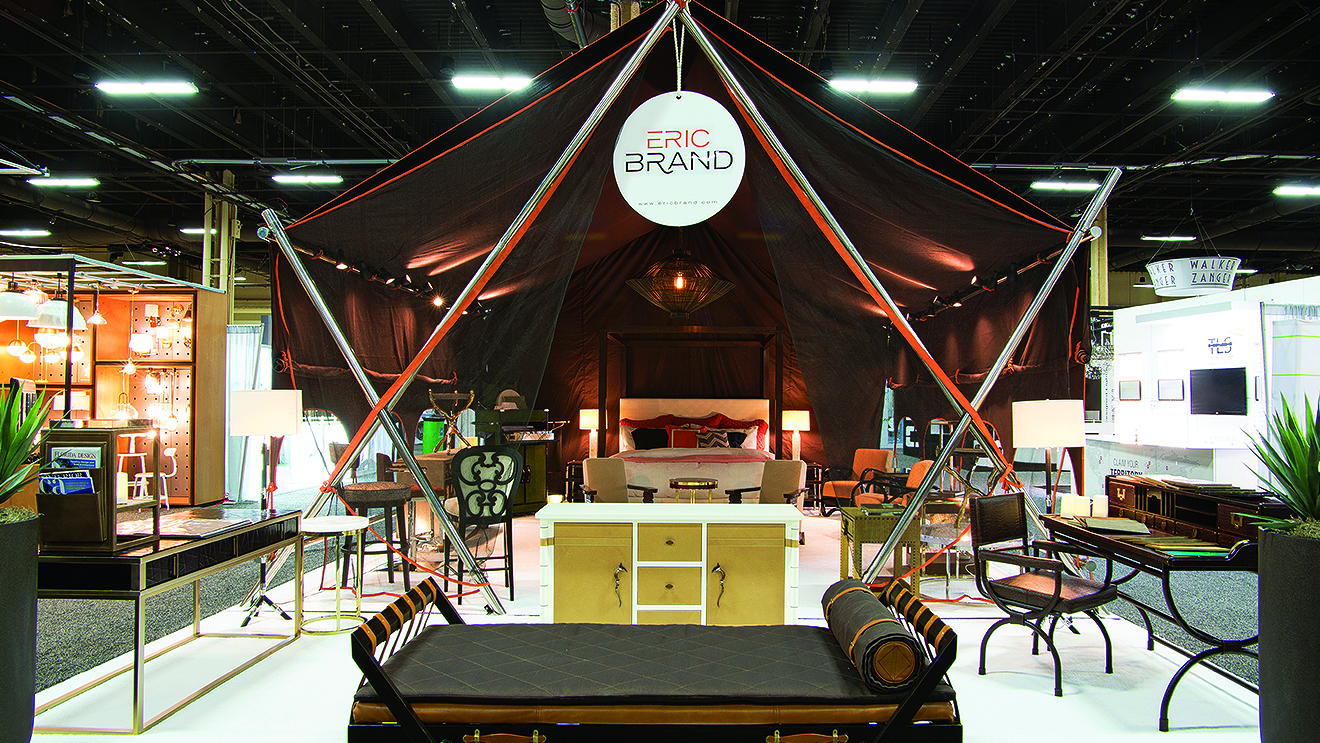
Founded in 1996 and based in San Francisco, Eric Brand offers custom-styled furniture and worldwide sourcing along with exquisite materials and finishes, specifically for the high-end residential design market and hospitality industry.